Narrative
Narrative
Narrative
Narrative lets you create worlds and characters that jump from the screen into a players mind and heart
Narrative lets you create worlds and characters that jump from the screen into a players mind and heart
Game Book
Game Book
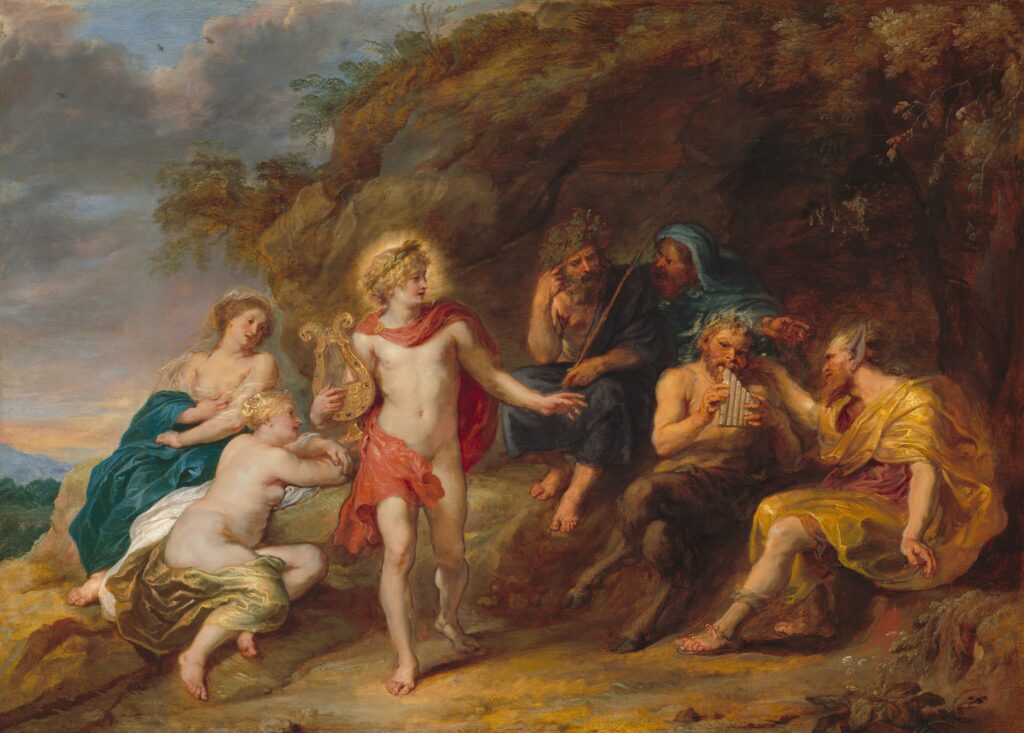
A Twine Game about King Midas and the curse of Gold
A Twine Game about King Midas and the curse of Gold
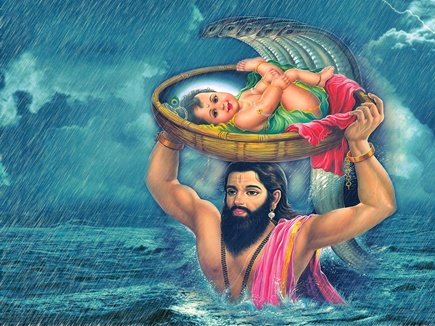
A GameBook about the Birth of Krishna
A GameBook about the Birth of Krishna
Writing PRocess
Writing PRocess
Play and Understand
Play and Understand
If the game has a playable prototype or one page document, I make sure to go through it and take notes of things that interest me. If a prototype I break it down to gameplay loops and try to highlight what emotions are supposed to be generated by them.
I often have questions that are generated when I view these introductory materials for example when working on Minkowski Effect, where the core idea was to use time travel to find out what happened on a ship while giving Obra Din as a reference.
Obra Din is great at taking snapshots of a point in time and posing questions about it. So was the goal to create Obra Din style game with a new skin or was it to explore the different periods in time to transport to. After talking to the person who's idea it was I found out it was the latter of the two.
If the game has a playable prototype or one page document, I make sure to go through it and take notes of things that interest me. If a prototype I break it down to gameplay loops and try to highlight what emotions are supposed to be generated by them.
I often have questions that are generated when I view these introductory materials for example when working on Minkowski Effect, where the core idea was to use time travel to find out what happened on a ship while giving Obra Din as a reference.
Obra Din is great at taking snapshots of a point in time and posing questions about it. So was the goal to create Obra Din style game with a new skin or was it to explore the different periods in time to transport to. After talking to the person who's idea it was I found out it was the latter of the two.
Decide if Plot Centric or Character Centric
Decide if Plot Centric or Character Centric
While both are important, deciding this helps kick start my creative process.
I usually decide it's Plot Centric is usually if the setting or the core mechanic is the most interesting part from my notes and if I can place a blank character in the world and I can still tell a story.
Character Centric is usually if the character experiences throughout the story changes and that's the sole focus. This usually means looking out for any developed characters, emotional journeys mentioned, or a human as a driving force.
For Tipping Point Tavern, however that was Character Centric. The main character of Mimzy goes through the journey of seeing how alcohol affects the brain and why they should stop drinking. As you can see the problem is very internal and the focus was on showcasing this specific character growth.
While both are important, deciding this helps kick start my creative process.
I usually decide it's Plot Centric is usually if the setting or the core mechanic is the most interesting part from my notes and if I can place a blank character in the world and I can still tell a story.
Character Centric is usually if the character experiences throughout the story changes and that's the sole focus. This usually means looking out for any developed characters, emotional journeys mentioned, or a human as a driving force.
For Tipping Point Tavern, however that was Character Centric. The main character of Mimzy goes through the journey of seeing how alcohol affects the brain and why they should stop drinking. As you can see the problem is very internal and the focus was on showcasing this specific character growth.
Dig Deep as Possible
Dig Deep as Possible
If it's Plot Centric, then it becomes a lot of questions to figure out why the world is interesting. For Minkowski Effect, this was Plot Centric, so the core base was to find out why the ship was empty in the first place. This led to me fleshing out how the ship worked, what it used for fuel, and different sections present on the ship that would make the time travel mechanic interesting.
From there I would create characters that could flesh these areas out and give them a purpose to be in those rooms. I could design the puzzles required to find out what players needed to do then write characters that could be fleshed out for each of those rooms.
For Tipping Point Tavern, this allowed me to focus solely on Mimzy's journey as an alcoholic. Because I wanted to go through the stages of recovery while showcasing science that helped me navigate the emotional journey of Mimzy. From that point on I just needed a wrapper around it to make it all connect with one another and give a setting to this place. That led to me using my experience of being in Utah and it's various Soda Bars to make a magical Soda Bar where the people inside were trying to help the main character.
If it's Plot Centric, then it becomes a lot of questions to figure out why the world is interesting. For Minkowski Effect, this was Plot Centric, so the core base was to find out why the ship was empty in the first place. This led to me fleshing out how the ship worked, what it used for fuel, and different sections present on the ship that would make the time travel mechanic interesting.
From there I would create characters that could flesh these areas out and give them a purpose to be in those rooms. I could design the puzzles required to find out what players needed to do then write characters that could be fleshed out for each of those rooms.
For Tipping Point Tavern, this allowed me to focus solely on Mimzy's journey as an alcoholic. Because I wanted to go through the stages of recovery while showcasing science that helped me navigate the emotional journey of Mimzy. From that point on I just needed a wrapper around it to make it all connect with one another and give a setting to this place. That led to me using my experience of being in Utah and it's various Soda Bars to make a magical Soda Bar where the people inside were trying to help the main character.
Get Feedback
Get Feedback
Feedback is great for understanding how people feel about the story, help get rid of choice paralysis on what direction a story needs to go and even help spark new ideas for both narrative and game designers.
For Minkowski Effect, I had the idea that voice recording should change subtly to show off the new branch of time travel when solving a puzzle, like a father looking for a lost son changing to a mother looking for a lost son. It would have enough that it would be the same story, with little inconsistencies. This led to designers realizing they could change certain objects or interactions in a room using the time travel to create brand new layouts and puzzles of the same room and same assets leading to designing more interesting puzzles.
If it's Plot Centric, then it becomes a lot of questions to figure out why the world is interesting. For Minkowski Effect, this was Plot Centric, so the core base was to find out why the ship was empty in the first place. This led to me fleshing out how the ship worked, what it used for fuel, and different sections present on the ship that would make the time travel mechanic interesting.
From there I would create characters that could flesh these areas out and give them a purpose to be in those rooms. I could design the puzzles required to find out what players needed to do then write characters that could be fleshed out for each of those rooms.
For Tipping Point Tavern, this allowed me to focus solely on Mimzy's journey as an alcoholic. Because I wanted to go through the stages of recovery while showcasing science that helped me navigate the emotional journey of Mimzy. From that point on I just needed a wrapper around it to make it all connect with one another and give a setting to this place. That led to me using my experience of being in Utah and it's various Soda Bars to make a magical Soda Bar where the people inside were trying to help the main character.
If it's Plot Centric, then it becomes a lot of questions to figure out why the world is interesting. For Minkowski Effect, this was Plot Centric, so the core base was to find out why the ship was empty in the first place. This led to me fleshing out how the ship worked, what it used for fuel, and different sections present on the ship that would make the time travel mechanic interesting.
From there I would create characters that could flesh these areas out and give them a purpose to be in those rooms. I could design the puzzles required to find out what players needed to do then write characters that could be fleshed out for each of those rooms.
For Tipping Point Tavern, this allowed me to focus solely on Mimzy's journey as an alcoholic. Because I wanted to go through the stages of recovery while showcasing science that helped me navigate the emotional journey of Mimzy. From that point on I just needed a wrapper around it to make it all connect with one another and give a setting to this place. That led to me using my experience of being in Utah and it's various Soda Bars to make a magical Soda Bar where the people inside were trying to help the main character.
This is the way I break down characters and stories when I take up this role.
Feedback is great for understanding how people feel about the story, help get rid of choice paralysis on what direction a story needs to go and even help spark new ideas for both narrative and game designers.
For Minkowski Effect, I had the idea that voice recording should change subtly to show off the new branch of time travel when solving a puzzle, like a father looking for a lost son changing to a mother looking for a lost son. It would have enough that it would be the same story, with little inconsistencies. This led to designers realizing they could change certain objects or interactions in a room using the time travel to create brand new layouts and puzzles of the same room and same assets leading to designing more interesting puzzles.
Feedback is great for understanding how people feel about the story, help get rid of choice paralysis on what direction a story needs to go and even help spark new ideas for both narrative and game designers.
For Minkowski Effect, I had the idea that voice recording should change subtly to show off the new branch of time travel when solving a puzzle, like a father looking for a lost son changing to a mother looking for a lost son. It would have enough that it would be the same story, with little inconsistencies. This led to designers realizing they could change certain objects or interactions in a room using the time travel to create brand new layouts and puzzles of the same room and same assets leading to designing more interesting puzzles.
Play and Understand
Play and Understand
My Expertise
